We Value Your Privacy
We use cookies to enhance your browsing experience, serve personalised ads or content, and analyse our traffic. By clicking 'Allow All', you consent to our use of cookies. For further details, please see our cookies policy.
We use cookies to enhance your browsing experience, serve personalised ads or content, and analyse our traffic. By clicking 'Allow All', you consent to our use of cookies. For further details, please see our cookies policy.
View navigation
For Parents/Carers
Children across the UK are experiencing extremely high levels of gum disease and oral decay and outside of London, Yorkshire has the highest number of pre-schoolers presenting with these symptoms. Though rare, children have died from septicaemia caused by poor oral hygiene leading to gum disease. More common is that many children aged 2-5 are having full sets of milk teeth extracted to reduce pain.
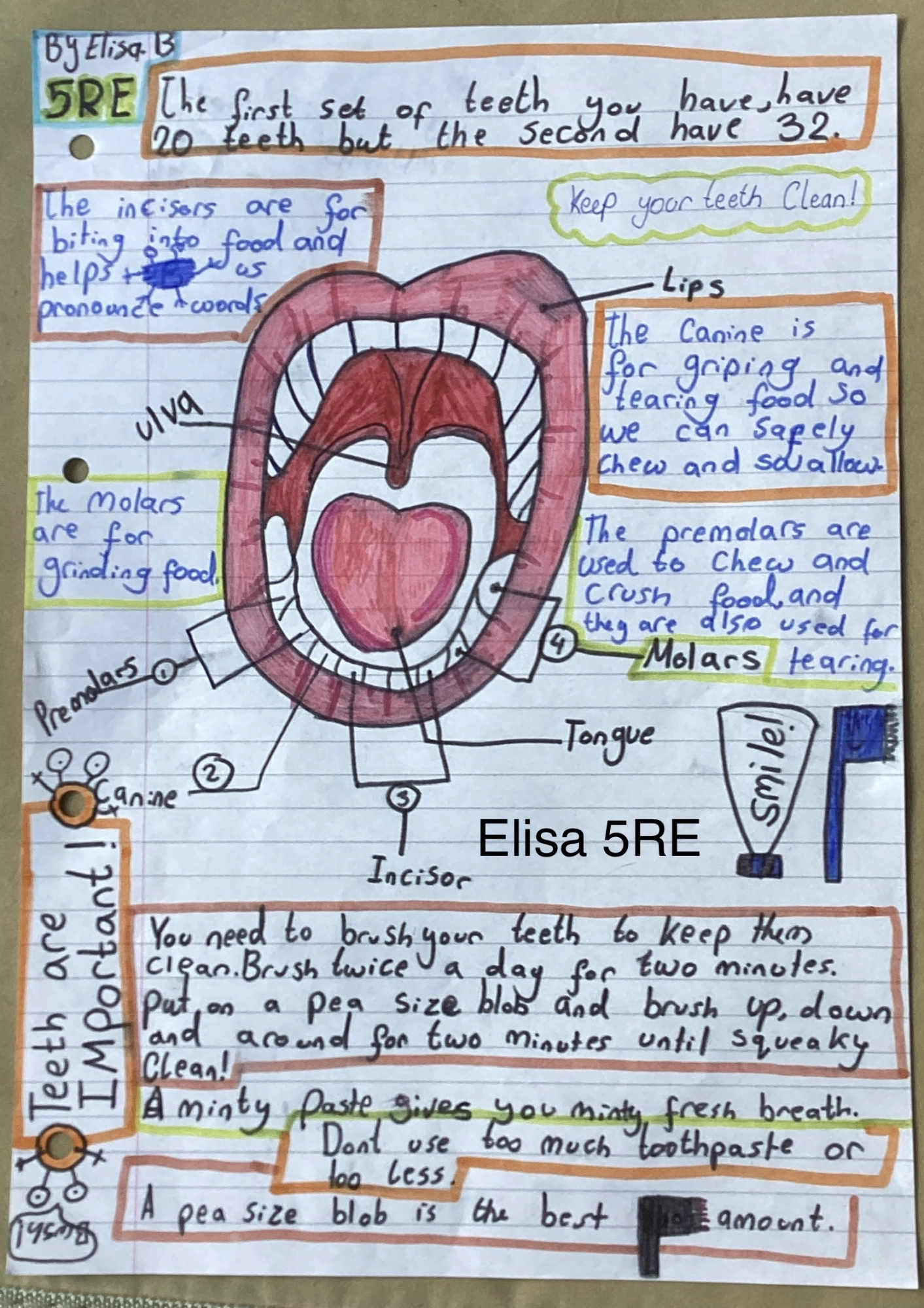
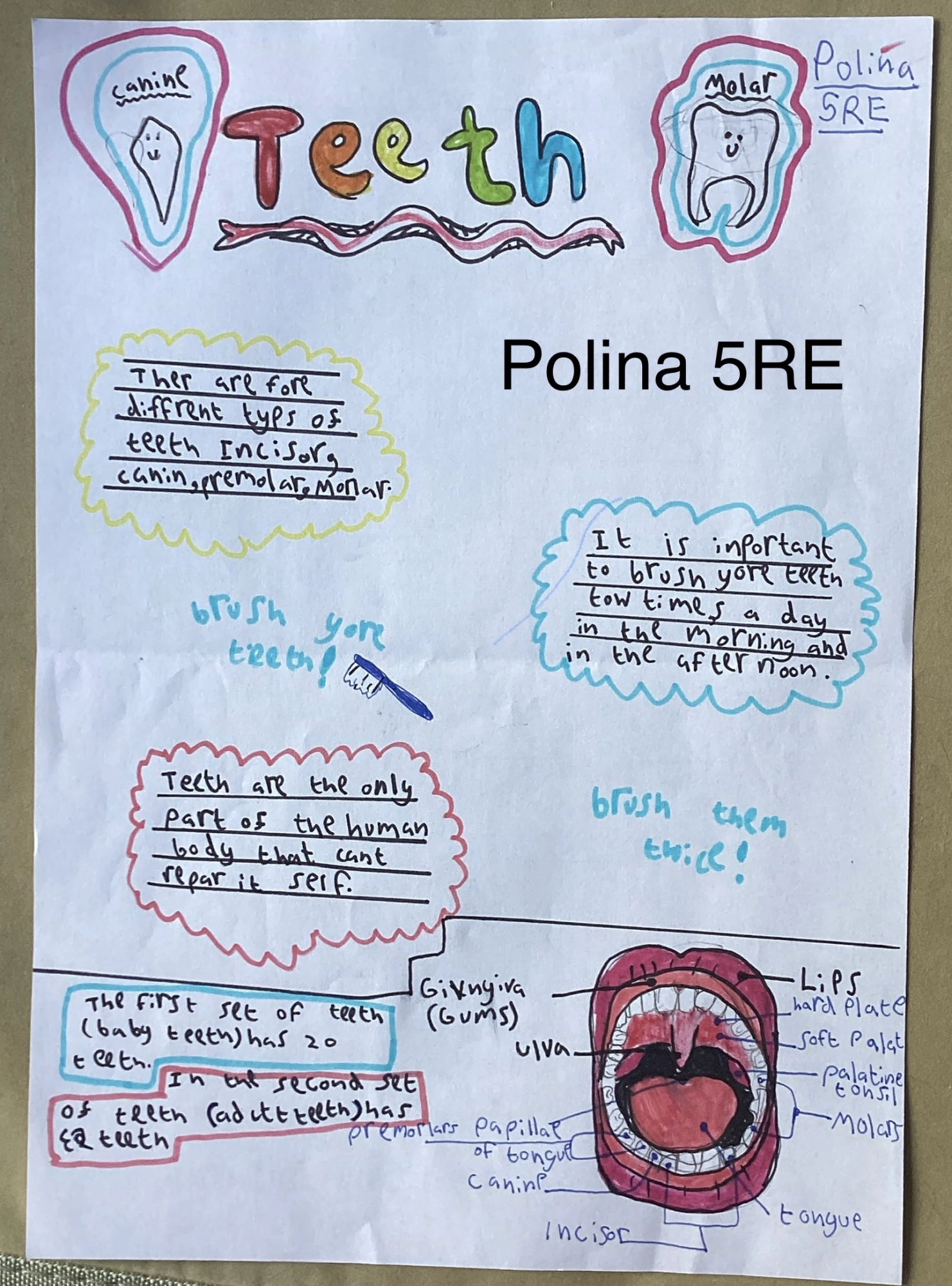
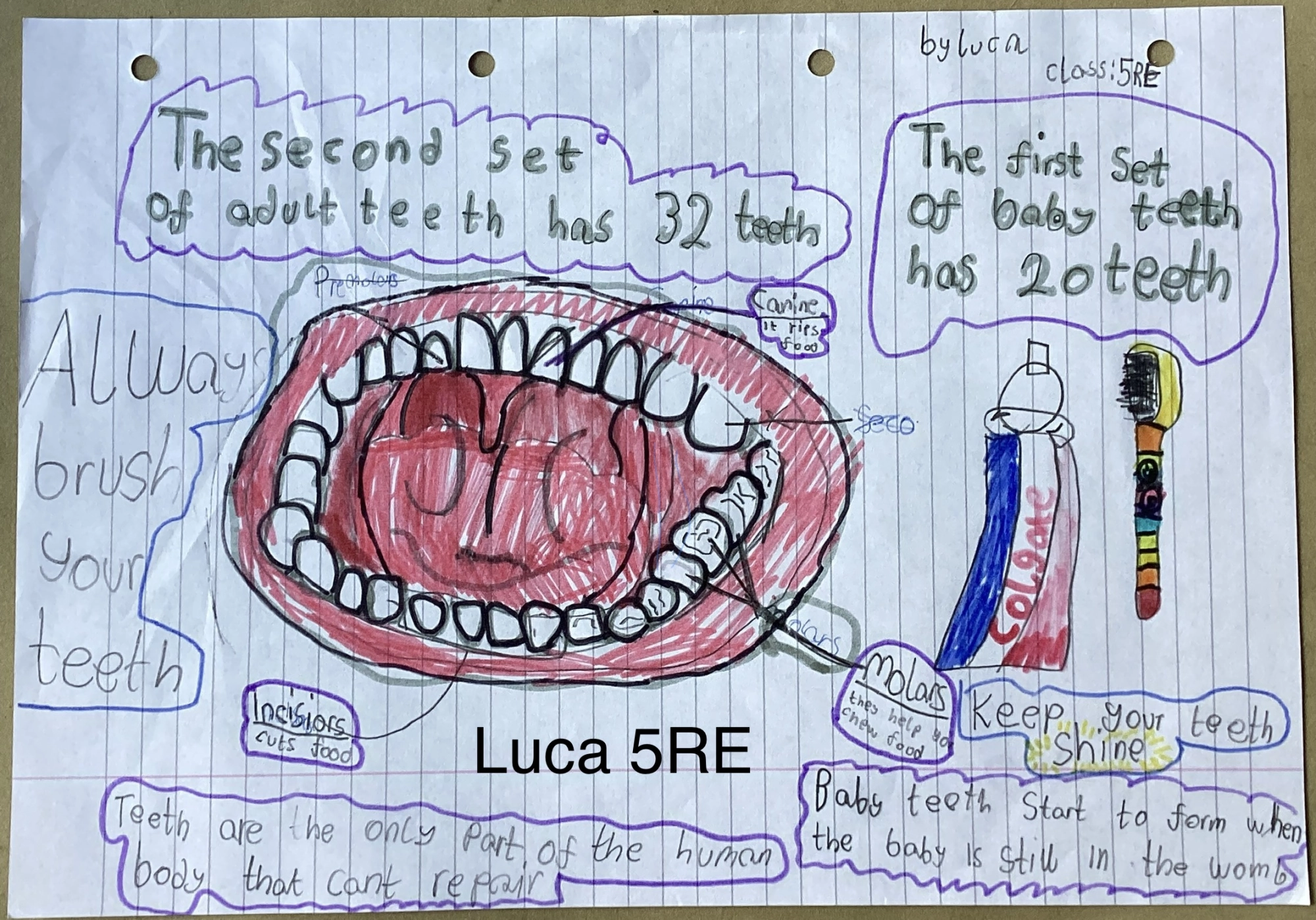
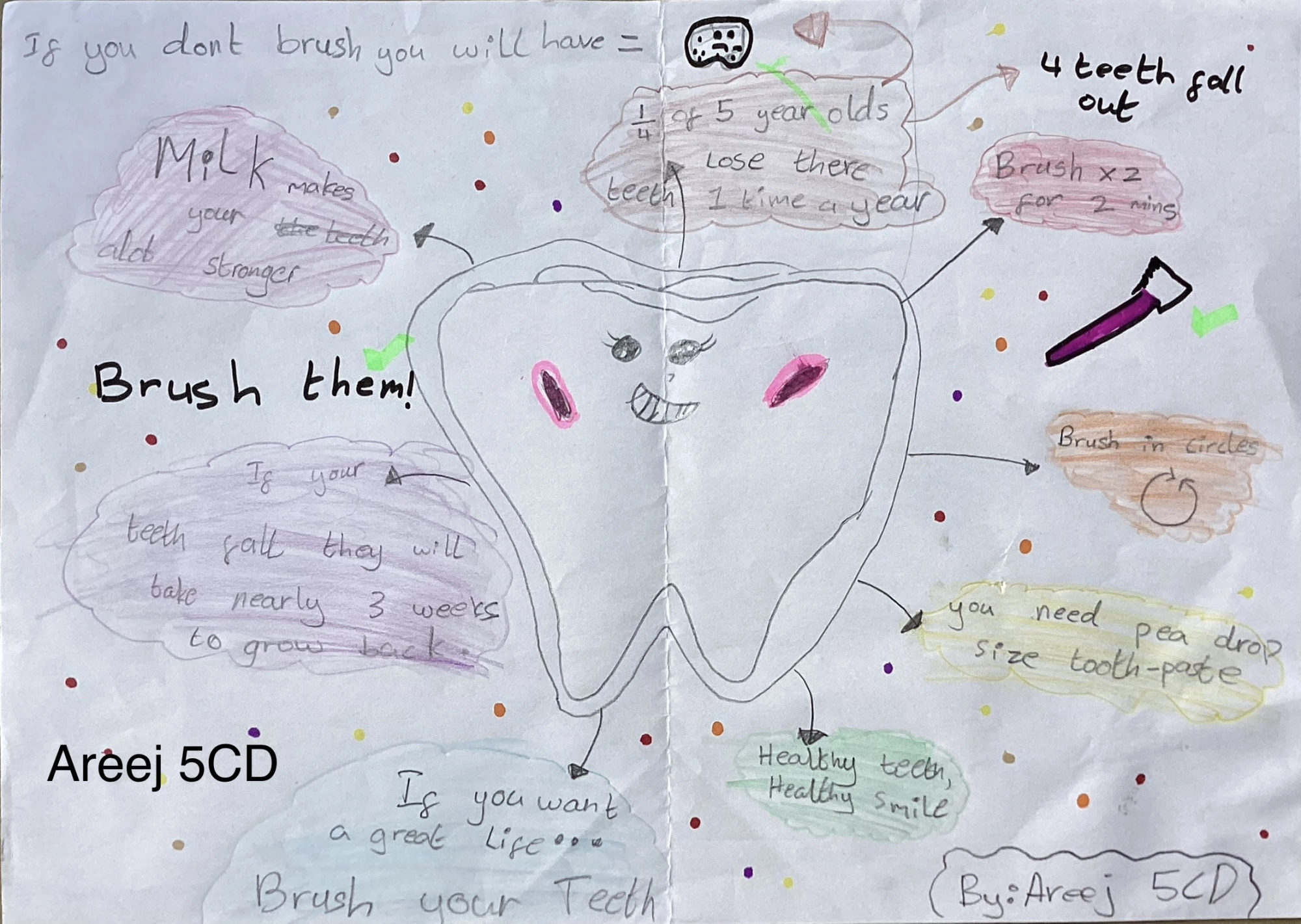
When Meadowfield first started brushing, back in 2015, we took part in the UK’s national oral health screening programme. We found that 10 out of the 14 pupils tested were referred to dentists due to early onset signs of gum disease and tooth decay. Later the same year, during Health and Well Being week, we found that approximately 4 out of 5 pupils in each class admitted to not brushing their teeth, every day, twice for 2 minutes. And the rest, as they say, is history!
Since trialling the scheme in Year 4, we gradually rolled out the programme throughout school and we are very proud to say that all our pupils from Reception through to Year 5 brush their teeth, in school, every day.

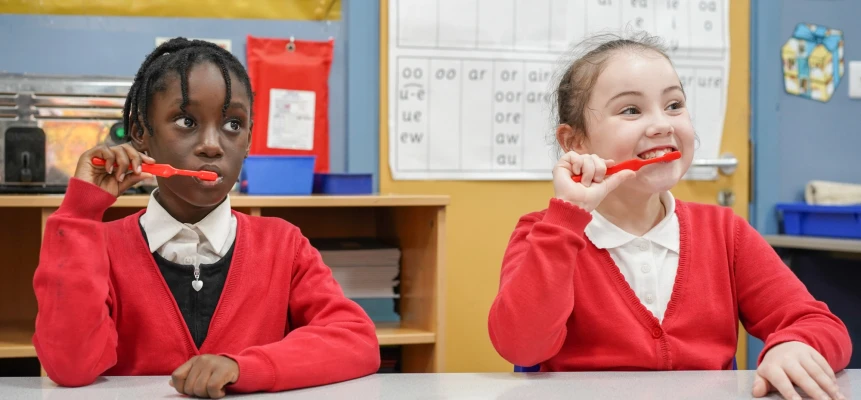
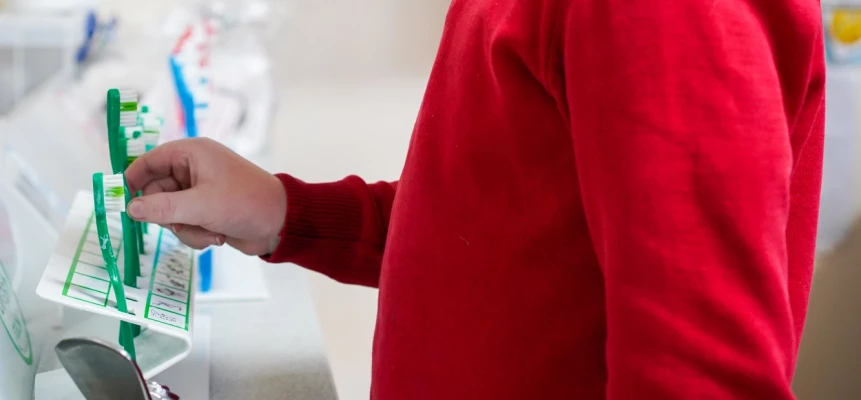
How it works:
How it works:

Pre-school
From 6 months of age, children should be introduced to a free-flow cup and from 12 months, all bottles should be stopped.
Sugary drinks should never be provided in a bottle
As soon as the first tooth/teeth erupts, brush them twice daily with a smear of fluoridated toothpaste
For children 0-6 parents/carers should brush or at least, supervise brushing, twice a day. Children are not able to brush on their own, until they have the manual dexterity to write their name, or at age seven.
Children should start going to the dentist from 18 months. Register them with a local dentist and ensure they visit twice yearly throughout their childhood. Do not wait for problems or pain to present; regular visits can prevent both these situations occurring.
Children should only be given fizzy drinks and juice as a treat at the weekends.
Stick to milk and water during the week.
Restrict sweets to mealtimes only
Brush at least twice daily, with a fluoridated toothpaste
Brush last thing at night and at least on one other occasion
Use fluoridated toothpaste (1,350-1,500ppm fluoride)
Spit out after brushing and do not rinse
Reduce the amount of sugary food and drinks
Reduce the frequency of sugary food and drinks
Use sugar free medicines
Apply fluoride varnish to teeth two times a year
If decay has begun to set in by now, then in addition to the above use a fluoride mouth rinse daily at a different time to brushing and investigate diet in line with the eat-well plate
Continue visiting the dentist every 6 months
Brushing guidelines
Rinsing guidelines
Rinsing with water and/or mouthwash immediately after tooth-brushing will wash away the concentrated fluoride in the remaining toothpaste, thus diluting it and reducing its preventive effects. For this reason, rinsing after brushing should always be discouraged.
If you are keen to use a mouthwash, then use after lunch or an afternoon snack but never straight after brushing.
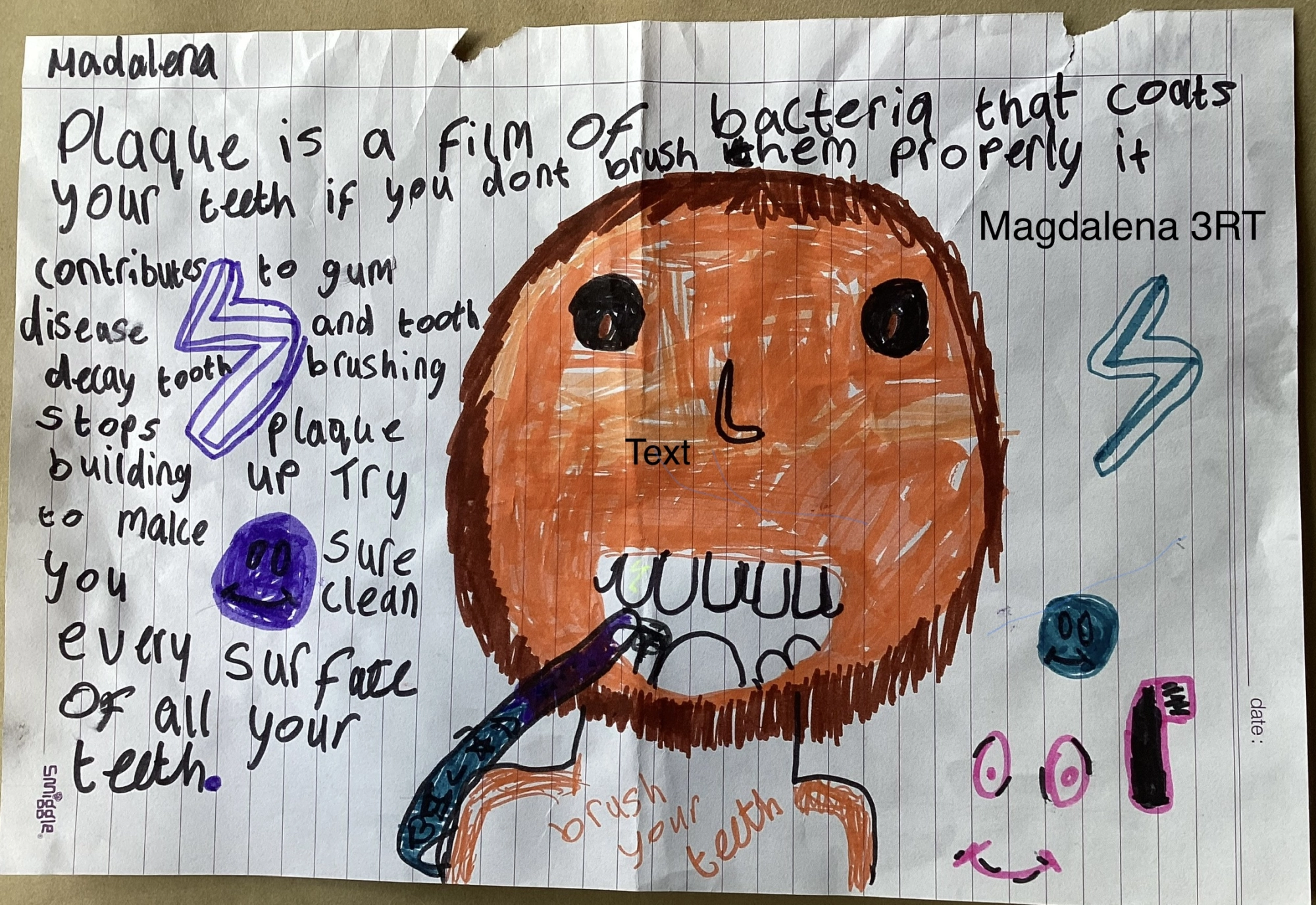
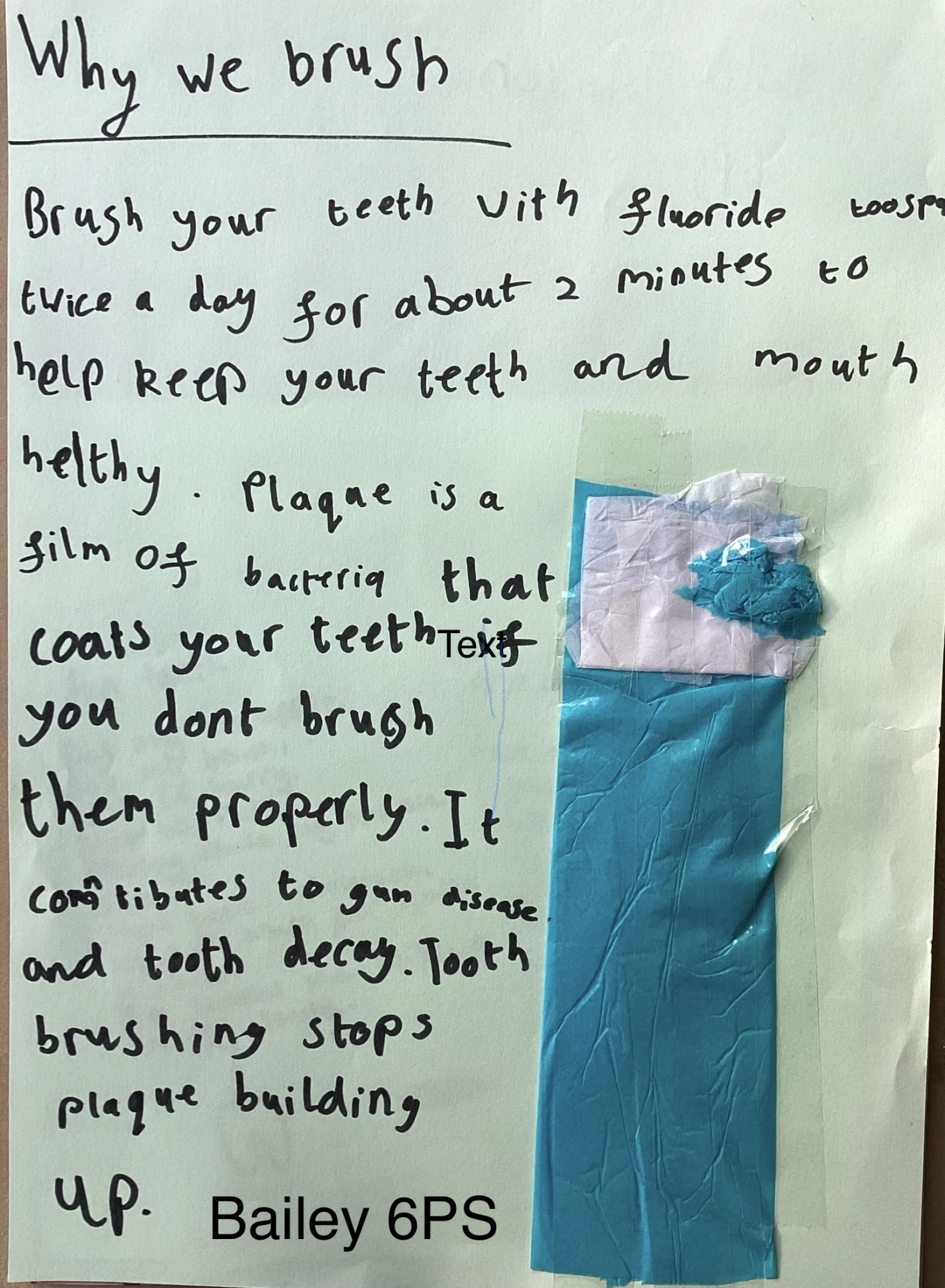
A sticky deposit on teeth in which bacteria proliferate, causing tooth decay and gum disease. The removal of plaque in order to control gum disease, reduce inflammation and prevent bleeding gums. It must be removed as it contains literally millions of bacteria. In very serious cases plaque can get into the blood stream, cause gum disease which can be fatal.
Tooth decay is when cavities are formed in teeth, caused by bacteria that attach to teeth and form acids in the presence of sucrose, other sugars, and refined starches.
Tooth decay invariably leads to gum disease. Periodontitis is a serious gum infection that damages the soft tissue around the teeth and destroys the bone that supports your teeth. Periodontitis can cause tooth loss or worse, an increased risk of heart attack or stroke and other serious health problems.
A substance with particular chemical properties. Acid in our food can cause enamel to wear away and lead to tooth decay and loss.
Natural fruit juices e.g. orange, grapefruit, lemon, blackcurrant
Acidic fresh fruit, particularly in high quantities
All fruit can be erosive, especially lemons, oranges and grapefruit
Carbonated drinks
Smoothies
Sports drinks which contain acid
Acidic sweets, e.g. acid drops, sherbet lemons, etc.
Fluoride is the active ingredient in toothpaste and the most important element of good tooth-brushing. Fluoride serves to prevent, control and stop decay. Toothpastes containing 1,350 to 1,500ppm fluoride are the most effective. Your dentist may advise you to use higher-strength toothpaste if you or your child is at particular risk of tooth decay. Children under 3 years old should brush twice daily, with a smear of toothpaste containing at least 1,000ppm fluoride. Once your child is 3 years old, please ditch the ‘baby paste’ and ensure they are using the same paste as you and other adults in the house.
Fluoride varnish is available to all children, FREE of charge, when visiting their dentist. Some dentists do not offer this as standard, so please ask. It is well accepted and considered to be safe.
Children should avoid eating, drinking or rinsing for 30 minutes after application and eat only soft foods in the following four hours.
eating the right amount of food relative to physical activity and weight
The eat-well plate shows the types and proportions of the main food groups that we should eat as part of a healthy, balanced diet:
a variety of fruit and vegetables (at least five portions every day)
Foods and drinks high in fat, sugar and/or salt should be consumed infrequently and in small amounts.
In addition, drink plenty of water (about six to eight glasses/2 litres per day).
A key message in preventing tooth decay is to reduce both the amount and frequency of consuming foods and drinks that have added sugar. It does not include sugars found in whole fresh fruit and vegetables and those naturally present in milk and milk products. Potentially harmful foods and drinks include:
Surprisingly, honey, fruit smoothies, fresh fruit juice and dried fruit all contain sugars that cause tooth decay. Consumers should check labels carefully.